
Know the Score
Fighting cancer doesn’t always start in the chemo chair. For a lot of people, it starts with a choice made years — sometimes decades — earlier. Prevention and early detection are two of the most powerful tools we have. Here’s what you can do right now.
EAT HEALTHY & STAY ACTIVE

What you eat, how much you move, and whether you maintain a healthy weight all play a measurable role in your cancer risk. A diet rich in vegetables, fruits, and whole grains — and low in processed foods, red meat, and added sugar — can significantly reduce your risk for several types of cancer, including colorectal, breast, and esophageal.
Regular physical activity matters just as much. Studies consistently show that physically active people have lower cancer risk across the board. You don’t need to run marathons — 30 minutes of moderate movement most days makes a real difference.
Your body is an instrument. Take care of it.
Find out more info on Cancer.org
More INFOAVOID TOBACCO PRODUCTS

Tobacco is the single largest preventable cause of cancer in the United States, responsible for roughly 30% of all cancer deaths. And it doesn’t stop at lung cancer — tobacco use is linked to cancers of the mouth, throat, esophagus, stomach, kidney, bladder, pancreas, and cervix.
If you use tobacco, quitting is the single most impactful thing you can do for your health. It’s never too late to start. If you’ve never started, don’t.
Free help is available right now. The Quitline (1-800-QUIT-NOW) connects you with coaching and support at no cost, and your doctor can talk through medications and strategies that make quitting more successful.
Find out more info at the Center for Disease Control
More INFOHPV PREVENTION

Human Papillomavirus (HPV) is the most common sexually transmitted infection in the United States — and it’s directly linked to six types of cancer, including cervical, throat, and anal cancers. The good news is that there’s a safe, effective vaccine that prevents the strains of HPV most likely to cause those cancers.
The vaccine is recommended for preteens ages 11–12 but can be given through age 26 for most people, and some adults 27–45 may benefit as well. Talk to your doctor about whether it’s right for you or your child.
Prevention here really is as simple as a shot.
Find out more info from the Cleveland Clinic
More INFOGEt Screened
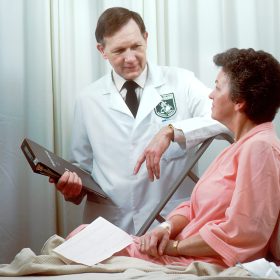
Cancer caught early is cancer that’s far more treatable. Regular screenings — for breast, cervical, colorectal, lung, and other cancers — can find problems before symptoms ever appear, when your options are widest and outcomes are best.
The right screenings for you depend on your age, sex, family history, and risk factors. The important thing is knowing what applies to you and not putting it off. Talk to your doctor, or use an online screening tool to figure out what’s right for your situation.
If you’re uninsured or underinsured, free and low-cost screening programs exist nationwide and right here in Nashville.
Find resources from Cancer.org
More INFODonate

Knowledge is part of the fight — and so is your support. Prevention and early detection save countless lives, but cancer still gets through. That’s where Music Cures Cancer comes in. Every dollar you donate supports patients and families in the thick of the fight, right here in Nashville, one note at a time.
Donate Now!